

Thomas Edison - The Oracle of Omaha
An exploration of Thomas Edison’s legacy, innovations, and enduring influence, framed through the lens of wisdom often attributed to the “Oracle of Omaha.
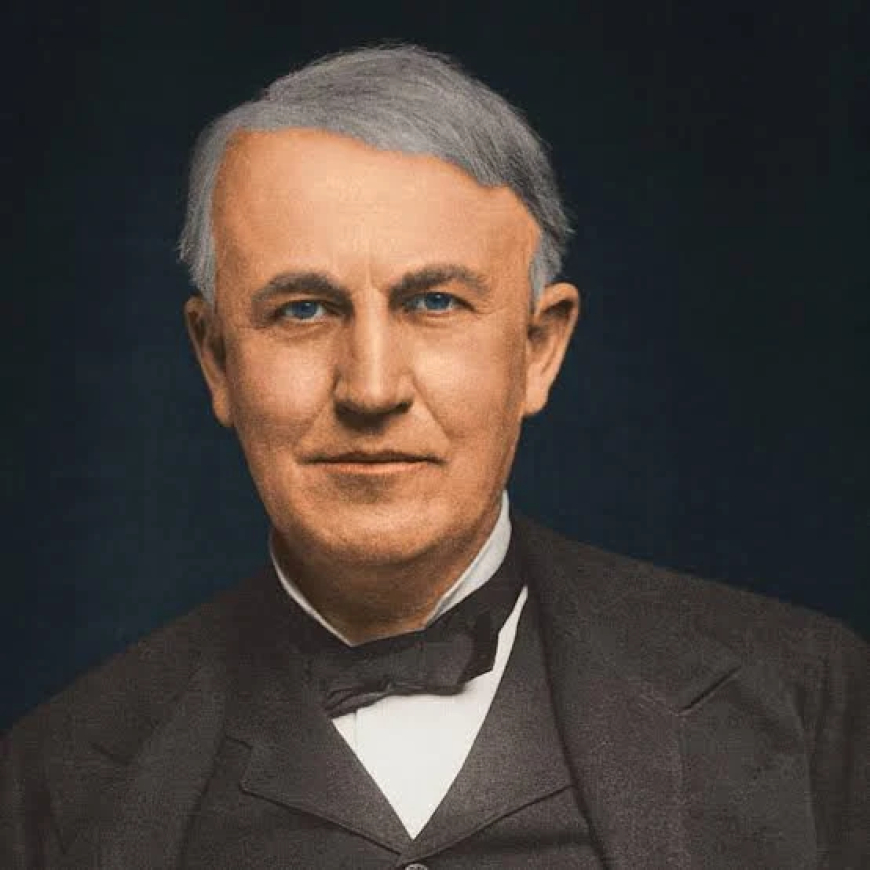
Thomas Edison: The Oracle of Omaha
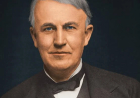
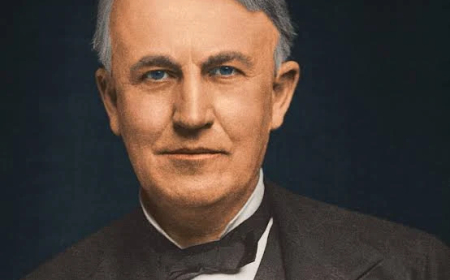
Thomas Edison, often remembered as the “Wizard of Menlo Park,” was a man whose genius transcended invention. Yet if we reimagine him in the mold of Warren Buffett—the “Oracle of Omaha”—we discover a fascinating parallel between the worlds of innovation and investment. Both figures embody the power of foresight, discipline, and an uncanny ability to shape the future through ideas and decisions that seemed almost prophetic.
Edison’s laboratory in Menlo Park was not unlike Buffett’s office in Omaha. Each served as a hub of vision, where ordinary surroundings concealed extraordinary insight. Edison looked at the raw materials of science—electricity, sound, light—and saw possibilities that others dismissed as fantasy. Buffett, meanwhile, examined balance sheets, market cycles, and human behavior, discerning patterns invisible to most investors. In both cases, the “oracle” quality lay not in mystical powers but in relentless observation, patience, and a refusal to be swayed by popular opinion.
Edison’s approach to invention was strikingly similar to Buffett’s investment philosophy. Edison believed in iteration, testing thousands of filaments before perfecting the light bulb. Buffett preaches the same patience in finance: waiting for the right pitch, investing only when the fundamentals align, and ignoring the noise of speculation. Both men understood that success is not about sudden brilliance but about disciplined persistence. The Oracle of Menlo Park and the Oracle of Omaha share a creed—long‑term vision over short‑term gain.
Moreover, Edison’s business acumen deserves recognition alongside his technical genius. He did not merely invent; he commercialized. The phonograph, the electric light, and motion pictures became industries because Edison understood markets as well as machines. In this sense, he foreshadowed Buffett’s dual mastery of economics and psychology. Edison anticipated consumer needs before they were articulated, just as Buffett anticipates market shifts before they are obvious. Both men turned foresight into fortune, and fortune into influence.
The metaphor of Edison as the Oracle of Omaha also highlights the ethical dimension of foresight. Buffett is admired not only for his wealth but for his integrity, his insistence on transparency, and his belief in value over hype. Edison, too, was driven by a conviction that technology should serve humanity. His inventions were not abstract curiosities; they were tools to improve daily life. Light banished darkness, recorded sound preserved memory, and moving pictures expanded imagination. In both cases, the oracle’s wisdom was measured not just in profit but in impact.
What's Your Reaction?
 Like
1
Like
1
 Dislike
0
Dislike
0
 Love
0
Love
0
 Funny
0
Funny
0
 Angry
0
Angry
0
 Sad
0
Sad
0
 Wow
0
Wow
0
-
 adminYo